
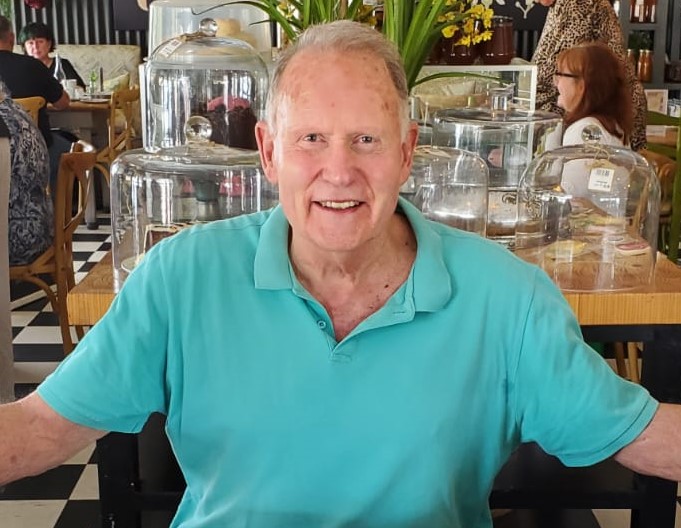
Who is Adrian Fuller?
Adrian Fuller was born in Pietermaritzburg, Natal, to a schoolteacher father and a concert violinist mother — an upbringing that blended discipline with creativity from the very start. He attended Merchiston Prep and Maritzburg College, where his father served as headmaster. After a stint in the army, Adrian went on to earn a bachelor’s degree in English and Economics from UCT. He later added an IMM marketing diploma and completed a number of international management programmes in the USA and France.
Over the past 35 years, Adrian has built a rich and varied career across industries as diverse as beverages, automotive, signage, pharmaceuticals, and more. His early years in advertising saw him working as a copywriter and creative director on major South African brands including Ford, Goodyear, Mainstay, and Kodak. In 1990, he stepped into general management at Graphic-Lintas Malawi, leading work for Unilever, Carlsberg, and other regional clients.
His leadership journey continued as CEO of McCann-Erickson in both East Africa and Cape Town, where he guided business development and major creative ajnd media campaigns for Coca-Cola, Tusker, Grants, and Johnson & Johnson.
From 2003 to 2004, he established Wunderman in Tanzania, overseeing SABMiller’s Safari Lager, and later ran his own signage business in Cape Town.
Adrian is also an Accredited Associate of the Institute for Independent Business, offering practical support to small and medium-sized enterprises.
Today, he continues to work as a Marketing Communications Consultant with a focus on creative strategy, copywriting and digital communication. His newest passion centres on helping senior citizens navigate and overcome physical and mental disabilities — an area where his empathy, experience, and communication skills come together with real purpose.
What I have discovered in life after my amputation
The importance of Mental Resilience in overcoming your physical challenges
Mental resilience plays a huge role in overcoming the physical challenges that often accompany ageing and disability. It’s the inner strength that enables you to face adversity with a sense of hope and determination. As an older adult grappling with physical limitations, developing mental resilience can transform the way you approach your life circumstances. By fostering a mindset that emphasises adaptability and growth, you can not only improve your quality of life but also inspire those around you to do the same.
Mindfulness techniques offer you practical tools for enhancing mental resilience during your physical rehabilitation. Engaging in mindfulness practices such as meditation and deep breathing can help you stay grounded in the present moment, reducing the anxiety and stress associated with your physical conditions. These techniques cultivate awareness and acceptance, allowing you to navigate your recovery journey with a clearer mind. By integrating mindfulness into your daily routine, you can build a strong foundation for resilience, enabling you to face challenges with greater confidence.
Building emotional strength is particularly relevant if you are recovering from sports injuries or any physical setback. The journey to recovery often comes with setbacks, frustrations, and emotional hurdles. However, by focusing on resilience training and motivational strategies, you can turn these challenges into opportunities for growth. Surrounding yourself with supportive networks, whether through community groups or family, can provide the encouragement you need to stay motivated. Sharing personal stories of triumph can further inspire and cultivate a sense of belonging, reminding you that you are not alone in your struggles.
Nutrition also plays a vital role in enhancing mental resilience during recovery. A balanced diet can significantly impact your mood and energy levels, providing the necessary fuel for both the body and mind. As an older adult, you should consider including in your diet foods rich in omega-3 fatty acids, vitamins, and antioxidants to support your mental health. Keeping a journal and self-reflection can supplement these efforts by allowing you to process your experiences and emotions, fostering a deeper understanding of your resilience. By actively engaging in your healing journey, you can not only overcome physical challenges but also emerge stronger and more empowered than ever before.
Integrating nutrition into the journey of resilience cannot be overlooked. A well-balanced diet plays a vital role in supporting mental health, particularly during recovery. Nutritional choices can influence your mood, energy levels, and overall well-being, enabling you to feel more equipped to tackle your physical challenges. By embracing mindfulness in various aspects of life – be it through journaling, meditation, or nutrition – you can cultivate a powerful sense of resilience, transforming adversity into an opportunity for growth and empowerment.
Recognising Your Inner Strength
Acknowledging your inner strength is about harnessing the power within you to rise above your disability. Each day presents an opportunity to connect with your inner capabilities, allowing you to foster a sense of empowerment that can significantly enhance your recovery journey. Embracing your unique experiences and recognising your resilience can lead to profound changes in your outlook on life, even in the face of adversity.